
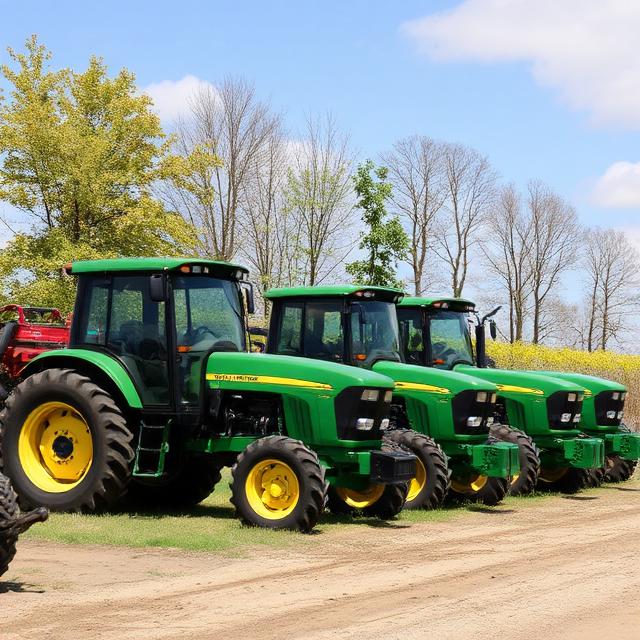
The British agricultural landscape in April 2026 is defined by a paradoxical mix of cutting-edge innovation and intense economic pressure. As the industry navigates a volatile global energy market, the strategic management of UK farming fuel has moved from a routine operational task to a high-stakes financial necessity. With red diesel prices in early 2026 spiking toward the 190p per litre range following geopolitical tensions in the Middle East, every drop of fuel now carries a significant weight on the farm’s balance sheet.
1. The Critical Infrastructure of Farm Fuel Suppliers
In 2026, farm fuel suppliers are no longer just delivery services; they are technical and financial consultants. With the "rocket and feather" pricing trends observed this spring—where fuel costs surge instantly but fall at a glacial pace—farmers require suppliers who offer radical transparency. The most successful partnerships are built on:
- Market Foresight: Providing data-driven alerts on wholesale shifts.
- Logistical Agility: Prioritizing "emergency top-ups" during harvest windows.
- Volume Flexibility: Offering fixed-price contracts to hedge against the current volatility.
2. Navigating the Realities of Red Diesel Delivery
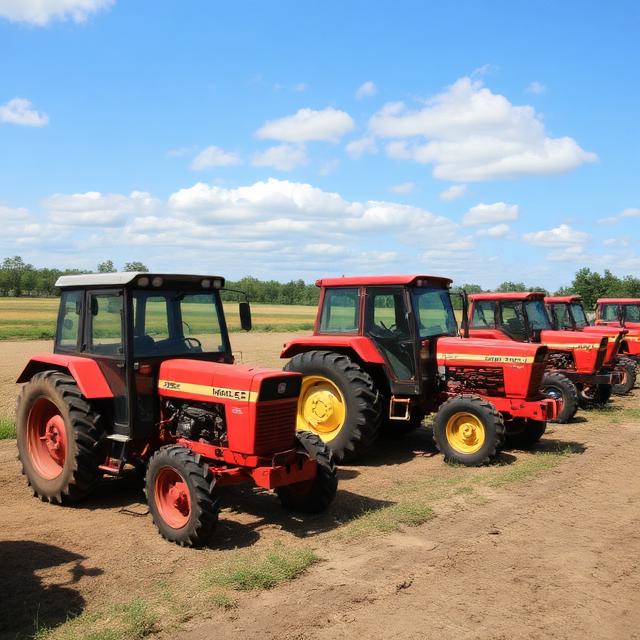
The logistics of red diesel delivery remain the lifeblood of the UK’s off-road machinery fleet. In 2026, HMRC’s enforcement of rebated fuel usage is aided by digital tracking and more frequent inspections. Red diesel is strictly permitted for accepted agricultural, horticultural, and forestry tasks. Using it for non-permitted road haulage can lead to immediate vehicle seizure and heavy fines. A professional delivery service ensures that every drop is documented, providing the audit trail necessary to satisfy HMRC while ensuring the fuel meets the strict BS EN 590 hygiene standards.
3. Precision Logistics and Farm Fuel Delivery
Geography has always been a challenge for rural energy supply, but in 2026, farm fuel delivery has gone digital. Leading suppliers now utilize "Smart Tank" telemetry, employing IoT sensors to monitor storage levels remotely. This technology allows for automated replenishment, triggering a delivery the moment a tank hits a 20% threshold. This prevents the "run-out" risks that can stall a harvest and allows suppliers to optimize their routes, reducing the delivery surcharges that often burden remote holdings.
4. Protecting Machinery with Farm Fuel Additives
Modern Tier 5 engines are engineering marvels, but they are incredibly sensitive to the biodiesel (FAME) content mandated in modern fuel. To combat the moisture absorption and "diesel bug" infestations that characterize the humid British spring, farm fuel additives have become a non-negotiable requirement. Advanced additives in 2026 provide:
- Microbial Protection: Killing the bacteria that clog filters.
- Lubricity Enhancement: Protecting high-pressure common-rail injectors.
- Cetane Boosting: Ensuring cleaner combustion and instant fuel economy improvements.
5. Economic Advantages of Industrial Heating Oil
While motive power gets the headlines, the energy required for stationary tasks is a massive cost center. Industrial heating oil (IHO) is a specialized fuel designed for commercial burners in grain dryers and livestock sheds. In April 2026, IHO is prized for its high calorific value and cost-effectiveness compared to motive diesel. By working with their agricultural oil suppliers to maintain a separate inventory for heating, farms can achieve better economies of scale and protect their high-value motive fuel for the fields.
6. The Role of Industrial Oil Suppliers
Beyond the fuel tank, the maintenance of a multi-million-pound fleet requires the support of industrial oil suppliers. These specialists provide the high-performance synthetic lubricants and hydraulic fluids that prevent mechanical failure. In 2026, the focus has shifted toward extended-drain lubricants and biodegradable fluids, allowing machinery to work longer between services while protecting the soil from accidental leaks—a key requirement for many environmental stewardship schemes.
7. Connecting the Farmstead: Domestic Fuel Delivery
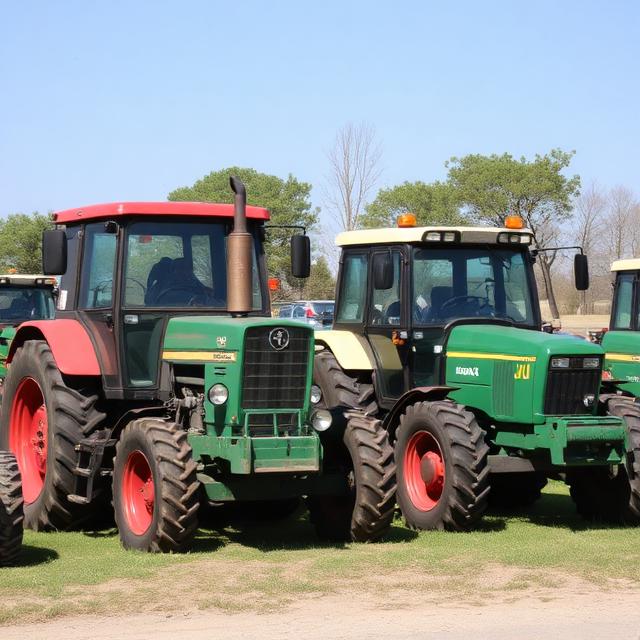
For the vast majority of UK farmers, the home and business are inseparable. Choosing a supplier who can manage a domestic fuel delivery alongside commercial drops offers significant synergy. A "split-load" delivery allows a single tanker to replenish both the red diesel for the workshop and the domestic heating oil (kerosene) for the farmhouse. This consolidated approach reduces delivery fees and ensures the residence remains a warm sanctuary while the business continues to function through the winter.
8. Reliability in Domestic Heating Oil
For the 1.5 million UK homes off the gas grid, the reliability of their domestic heating oil provider is a matter of fundamental comfort. In 2026, the best providers offer more than just fuel; they provide "peace of mind" services including monthly payment plans and emergency top-up schemes. During the harshest months, a local supplier who understands the access challenges of a farmstead is invaluable, ensuring the farm home is prioritized even when national logistics are under strain.
9. Future-Proofing with Sustainable Solutions
The most profound shift in 2026 is the mainstreaming of Hydrotreated Vegetable Oil (HVO). As the sector moves toward Net Zero, HVO has transitioned from a niche product to a cornerstone of industrial decarbonization. It offers a 90% reduction in net CO2 emissions and requires zero hardware modifications. For farms looking to de-couple from volatile Middle Eastern oil, HVO provides a sustainable, stable alternative that is rapidly becoming the gold standard for UK farming fuel.
Ultimately, the resilience of British agriculture depends on a secure, high-tech energy supply chain. By partnering with specialist agricultural oil suppliers and embracing the latest in fuel technology, UK farmers can navigate the complexities of 2026 with confidence and clarity.